How Do Fashion Brands Make Instagram Posts Look Less Like Ads?
In today’s saturated digital landscape, fashion brands face the challenge of standing out on Instagram without coming across as pushy advertisements. The key lies in crafting content that feels authentic, engaging, and relatable—moving beyond the traditional “product pitch” towards rich lifestyle storytelling fashion. This approach fosters genuine connections with audiences and drives engagement beyond simple product promotion.
In this post, we’ll explore how brands can elevate their Instagram content for clothing brands by making posts look less like ads. We’ll dive into ways to use lifestyle storytelling, leverage short-form video like Instagram Reels for showcasing fit and movement, repurpose existing assets creatively, and speed up content variety with AI-assisted imagery. Whether you’re managing a small indie label or supporting a larger fashion house, these strategies can refine your social media presence and resonate more deeply with your followers.
From Product Pitch to Lifestyle Storytelling: Changing the Narrative
One of the biggest pitfalls that makes posts scream “ad” is the focus on the product alone — often on a plain white background, showing the item flat, or pinned solely on a model without any contextual environment. This product pitch vs lifestyle divide is crucial.
Why Lifestyle Storytelling Matters
- Authenticity: Showing clothes in real-life scenarios helps audiences envision themselves wearing the piece.
- Emotional Connection: Stories evoke feelings; ads don’t.
- Engagement: People are more likely to react, comment, and share when content feels relatable.
For fashion brands, lifestyle storytelling fashion means creating posts that paint a picture of the wearer’s life rather than just the garment. For example, instead of simply showcasing a swimsuit on a mannequin, show it *in action* — a beach sunset, a pool party, road trip moments. This encourages followers to imagine how the piece fits into their own lives.
Tips to Incorporate Lifestyle Storytelling
- Show real people: Use diverse models who reflect your audience.
- Focus on setting: Outdoor cafes, cozy apartments, city strolls, or beach vibes—pick locations that align with your brand identity.
- Tell micro-stories: Pair images with captions that narrate moments, moods, or small adventures.
- Curate a consistent aesthetic: Maintain color grading and lighting that mirror your brand’s vibe.
Short-Form Video: The Power of Instagram Reels for Clothing Brands
Static images can only do so much, especially when it comes to clothing. Buyers want to see how fabrics move, how the fit feels, and how styles can be styled in motion. This is where Instagram Reels come into play.
Why Use Reels?
- High Engagement: Instagram’s algorithm promotes Reels aggressively, boosting reach.
- Show Movement: Capture the drape, stretch, and flow of fabrics—something static photos can’t do.
- Quick Storytelling: Short clips can convey moods, style tips, and narratives efficiently.
Here are ways to utilize Reels effectively for fashion brands:
- Fit Demonstrations: Show models walking, sitting, or dancing to highlight fit and comfort.
- Behind-the-Scenes: Share clips from photoshoots, design processes, or packaging to humanize the brand.
- Styling Tips: Quick mix-and-match looks using your pieces inspire followers to experiment.
- Trend Challenges: Participate in or create Reels aligned with fashion trends that relate to your brand’s style.
Remember, Reels don’t have to be overproduced. Sometimes candid, authentic clips create the best connection, so encourage creativity within time and budget constraints.
Repurposing Existing Assets: More Than Just Flat-Lays
Not every brand has the budget to produce constant new content. A smart approach is repurposing existing assets strategically to create fresh, less “ad-like” posts.
Common Pitfall: Flat-Lays Without Context
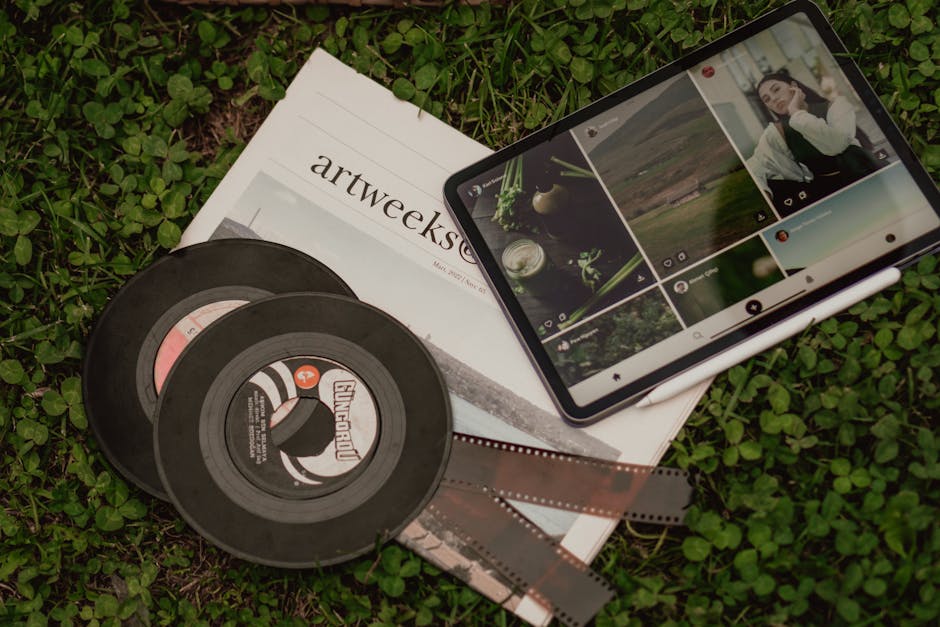
Flat-lays of folded clothes on plain backgrounds may showcase details but tend to feel sterile and don’t tell a story. Instead, consider ways to transform these assets into more engaging content.
Ideas for Repurposing:
- Create Lookbooks from Flat-Lays: Arrange multiple flat-lays as outfit boards or style story collages.
- Overlay Text and Graphics: Add quotes, fabric details, or styling notes to make flat-lays more dynamic.
- Compile Into Reels or Stories: Animate sequences of flat-lays paired with music or voice-over styling tips.
- Combine with Lifestyle Shots: Use flat-lay details as teaser shots that transition into real-world images or videos.
This approach allows the brand to maintain visual coherence and minimize costly new shoots while enhancing storytelling appeal.
Speed and Variety with AI-Assisted Imagery
Fashion brands juggling tight deadlines and limited budgets can benefit greatly from emerging AI technologies that assist in creating diverse, high-quality imagery quickly.
What Can AI Assist With?
- Background Removal and Replacement: Easily switch contexts for products to suit different storytelling aesthetics.
- Virtual Models: Some AI tools create photo-realistic models showcasing garments in varied poses and settings.
- Style Variations: Quickly visualize color or pattern variations without physically producing each sample.
- Enhanced Editing: AI can optimize lighting, shadows, and textures to elevate images while saving time.
However, it’s essential to use AI thoughtfully. Over-reliance risks producing generic or overly polished visuals that lose authenticity. The best results come from combining AI tools with original photography and authentic storytelling.
Examples of AI Use in Instagram Content
Use Case Benefit Best Practices Background swapping on product shots Quickly adapt visuals to different campaign themes Match lighting and color tone for realism Generating model poses for fit display Showcase movement without new photoshoots Ensure inclusivity and diversity in model selection Creating mood boards or style collages Efficient content variety with minimal manual effort Blend AI elements with real brand assetsPutting It All Together: A Content Strategy That Balances Creativity and Practicality
Learn hereMaking fashion Instagram posts look less like ads isn’t just about aesthetics; it’s a mindset shift from “selling product” to “sharing stories.” By weaving lifestyle storytelling into your feed, https://bizzmarkblog.com/how-often-should-a-fashion-brand-post-on-instagram-to-keep-up/ embracing the power of Reels, creatively repurposing existing photos, and smartly utilizing AI assistance, brands can craft more engaging, authentic content—without exceeding time or budget constraints.
Summary Checklist for Brands:
- Ask: “What is the setting?” before approving any shoot or post to ensure context and lifestyle connection.
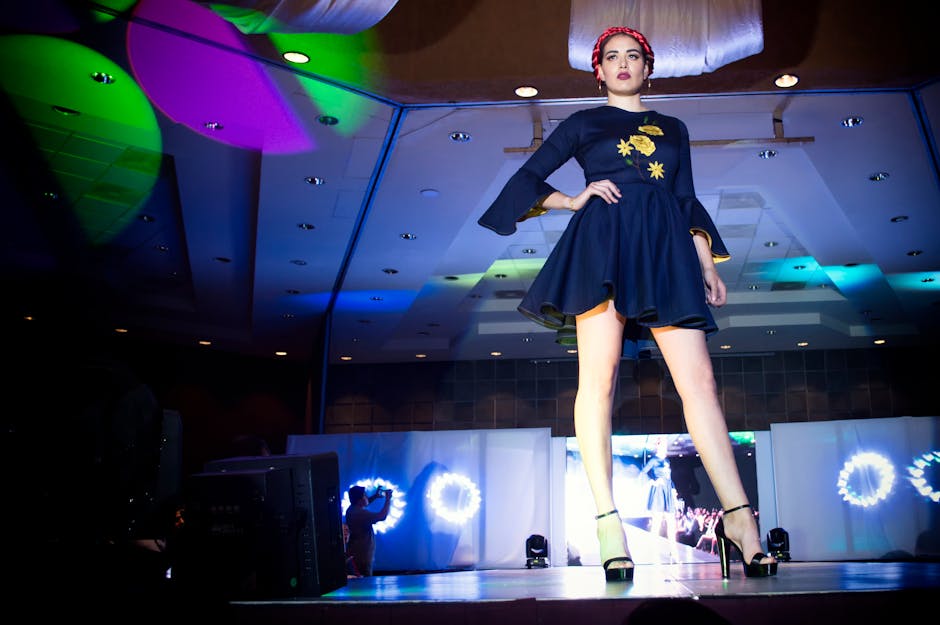
- Show, don’t just tell: Use video to demonstrate fit and movement, making clothes feel alive.
- Mix asset types: Combine flat-lays, behind-the-scenes, lifestyle shots, and AI-generated content.
- Write captions like a person: Avoid press release style—add personality, humor, or narrative.
- Avoid stale product-on-white posts: If used, always wrap them within a lifestyle story in the caption or carousel.
- Don’t call everything “premium” without proof: Let quality speak through storytelling and image quality instead.
By following these principles, fashion brands can rise above the noise and create Instagram content that builds community, clearly conveys style and utility, and feels genuinely relatable—not just like an advertisement.